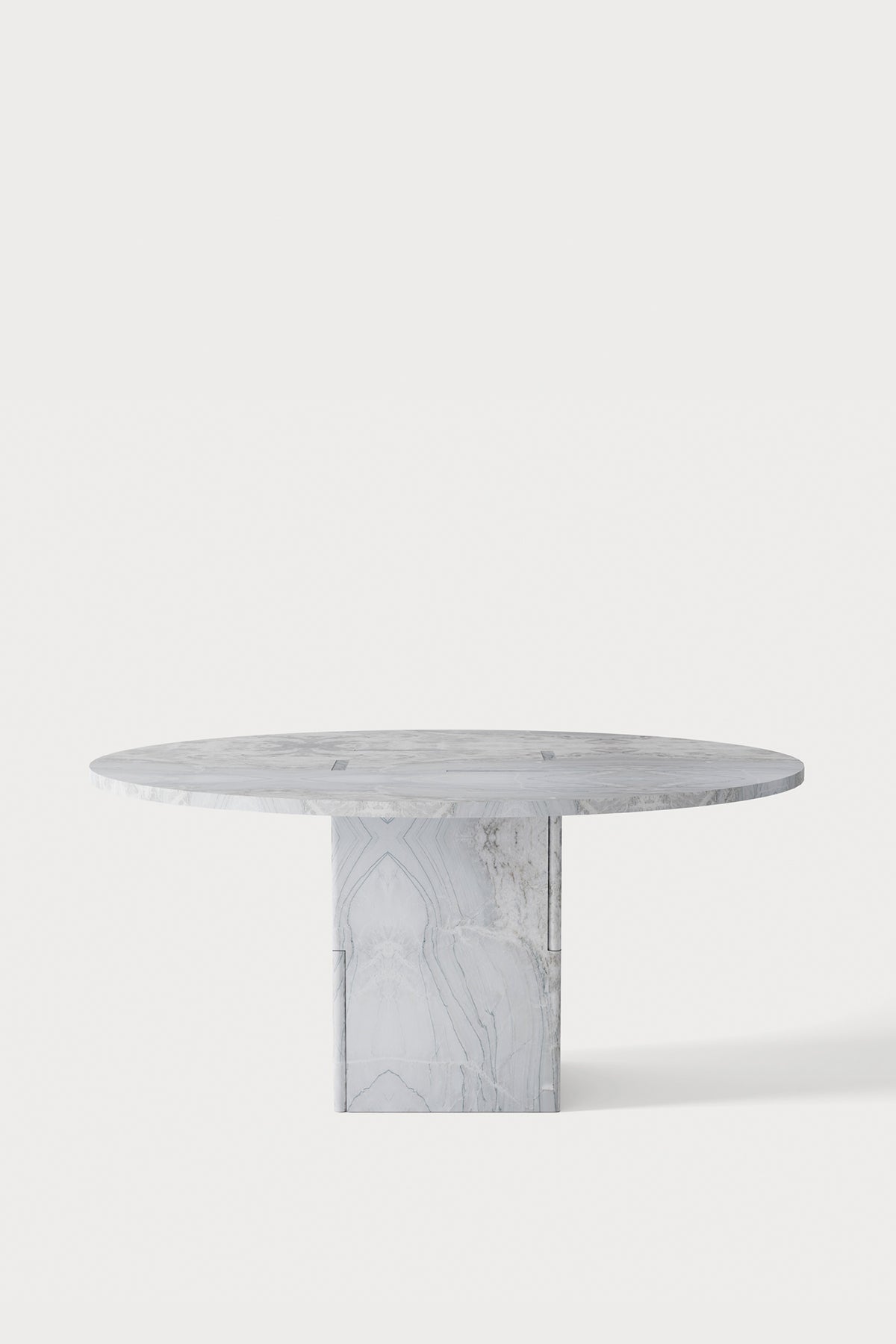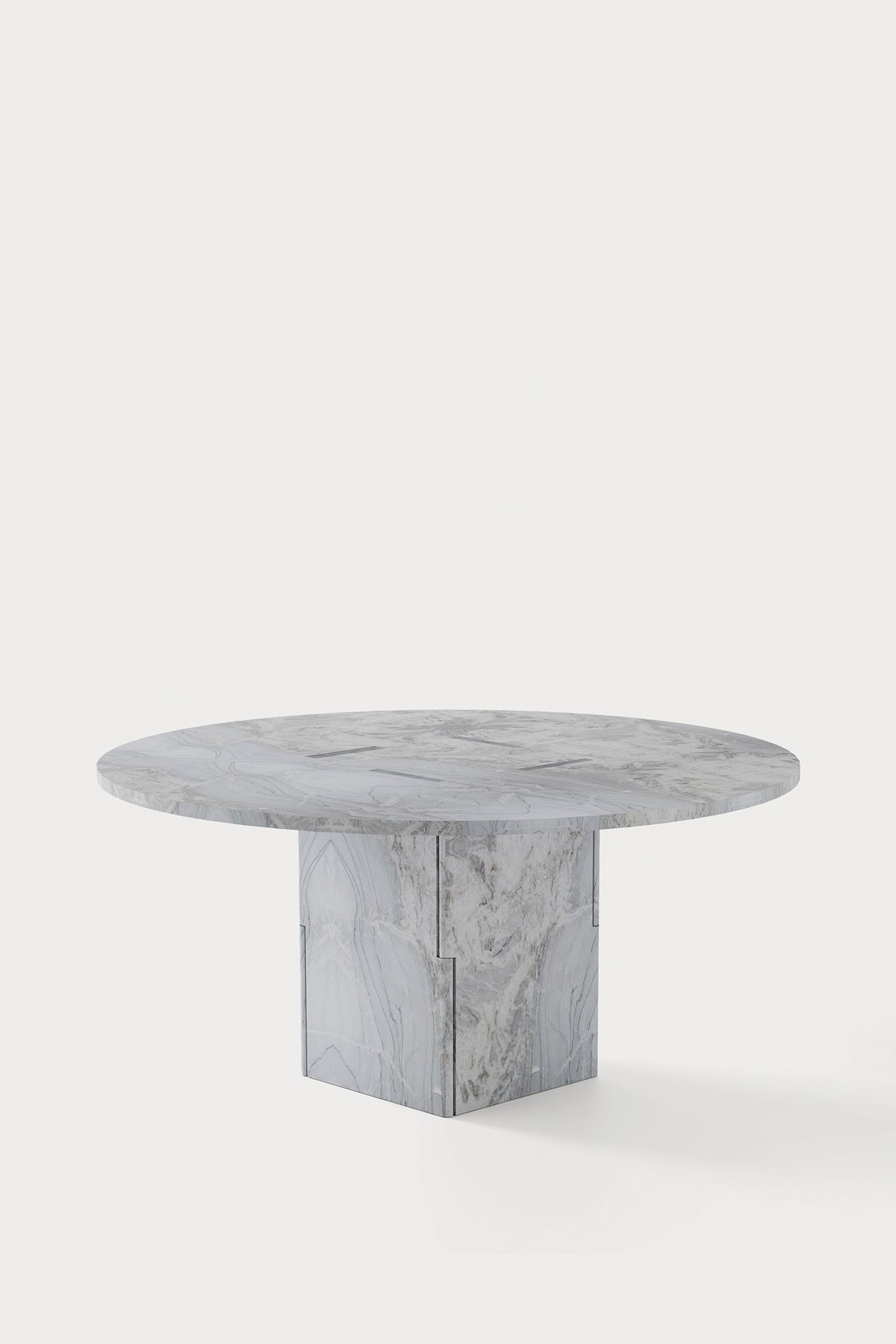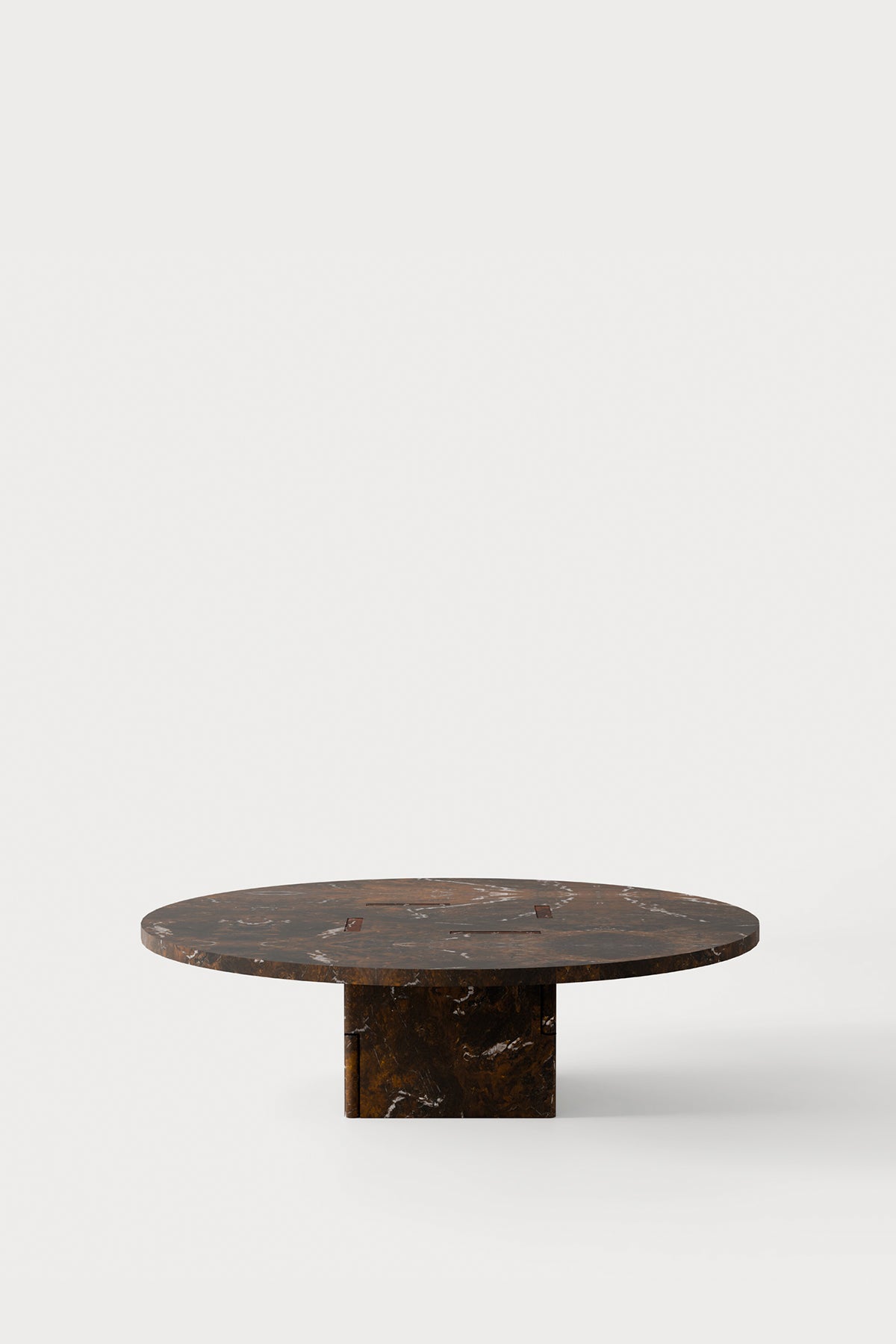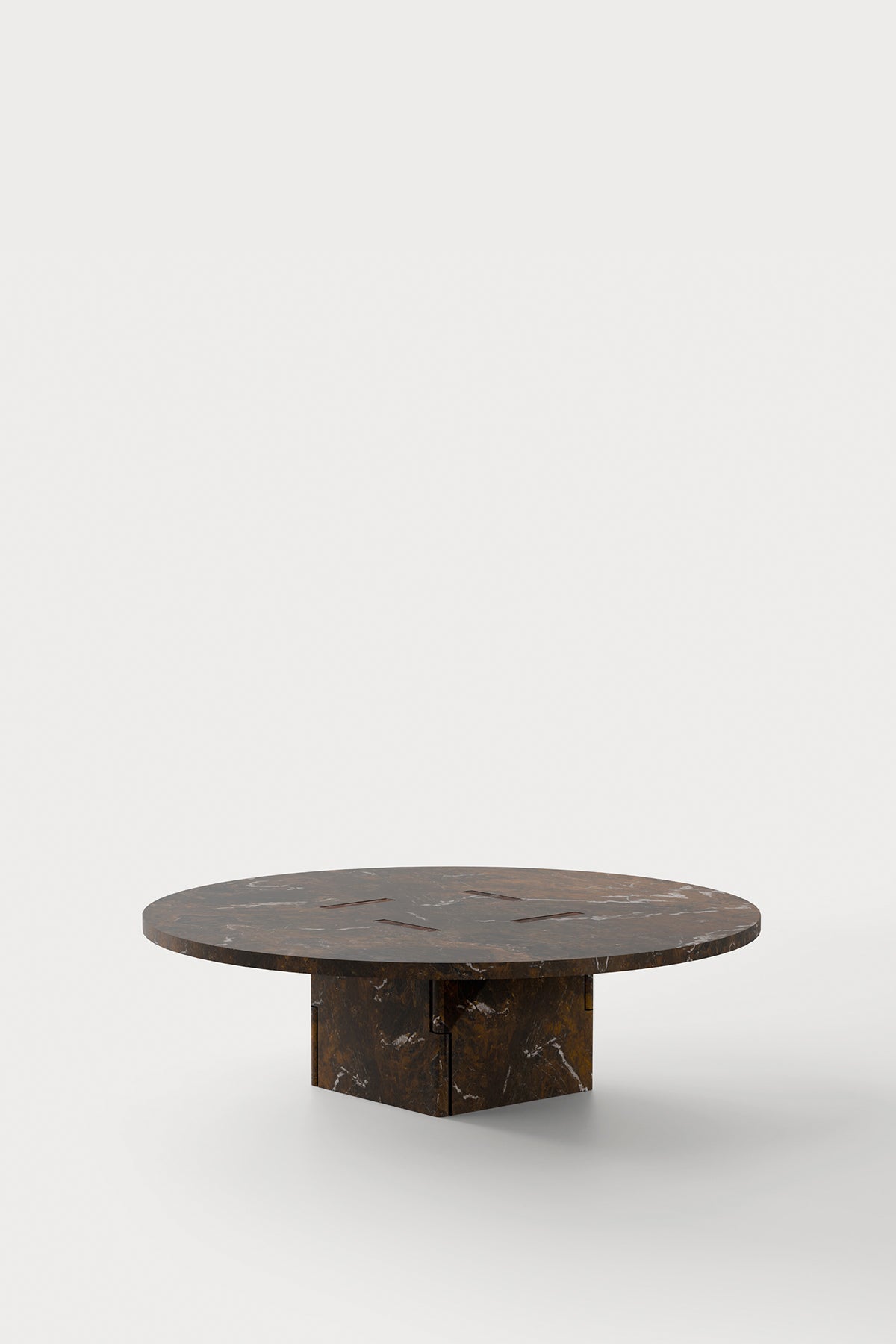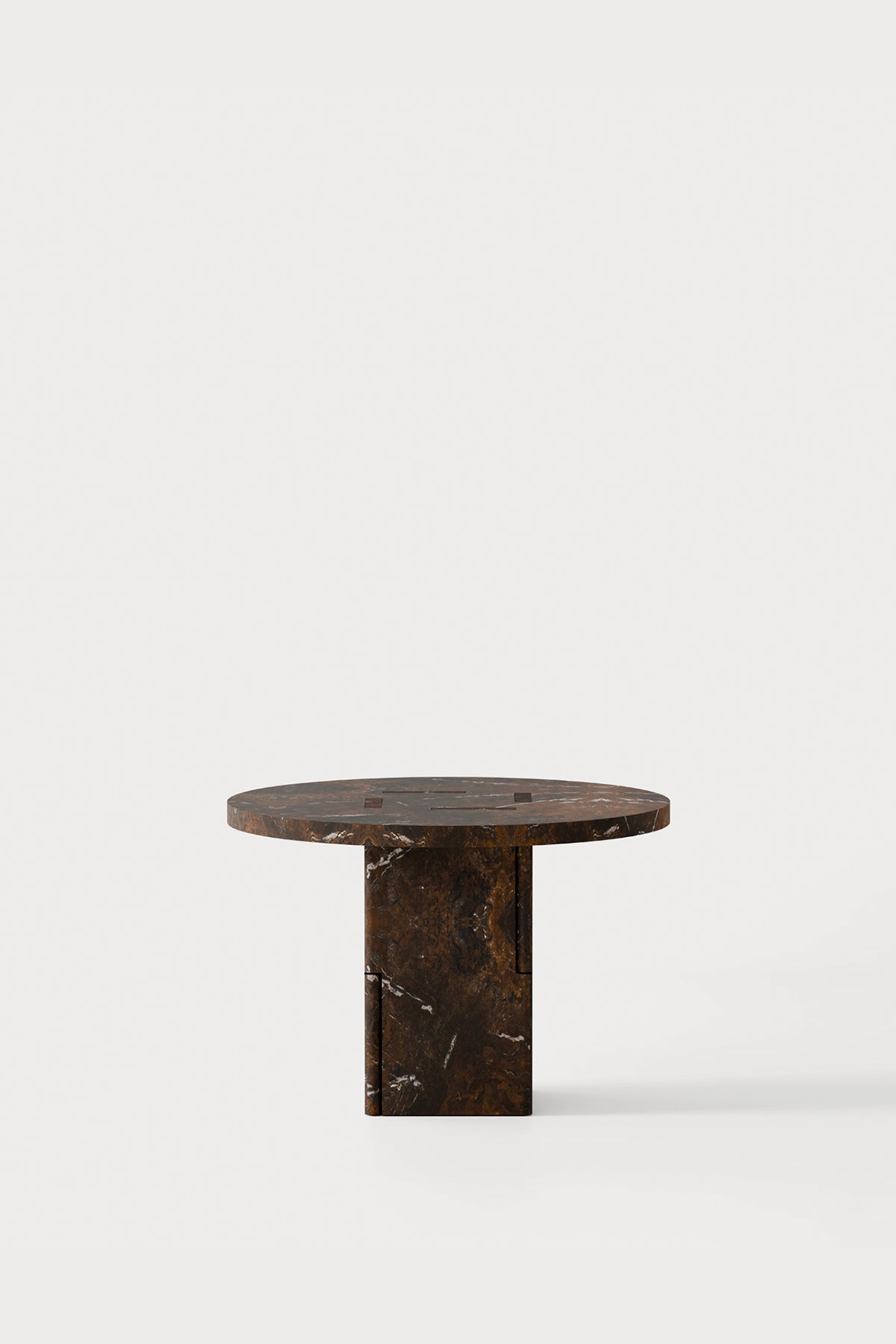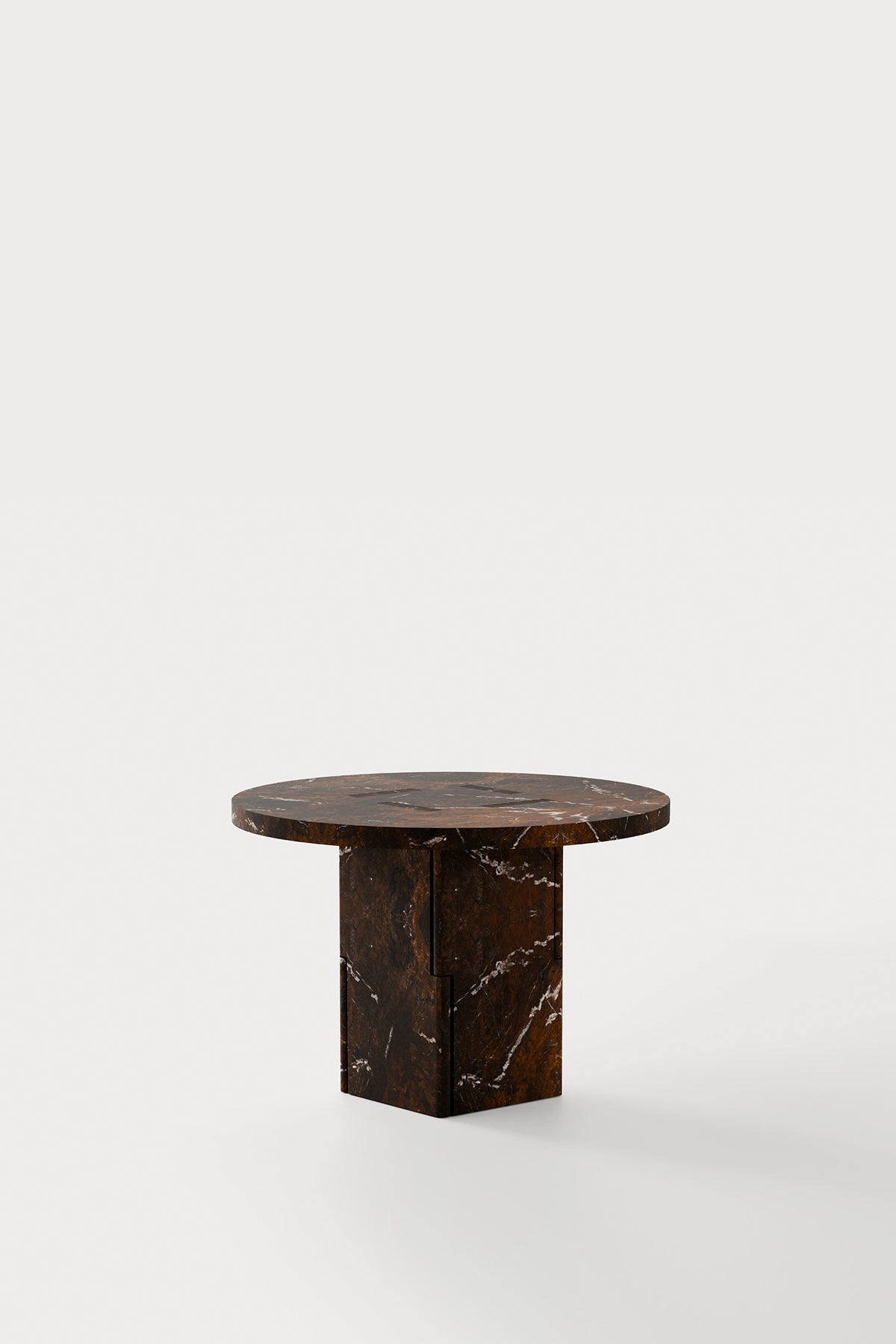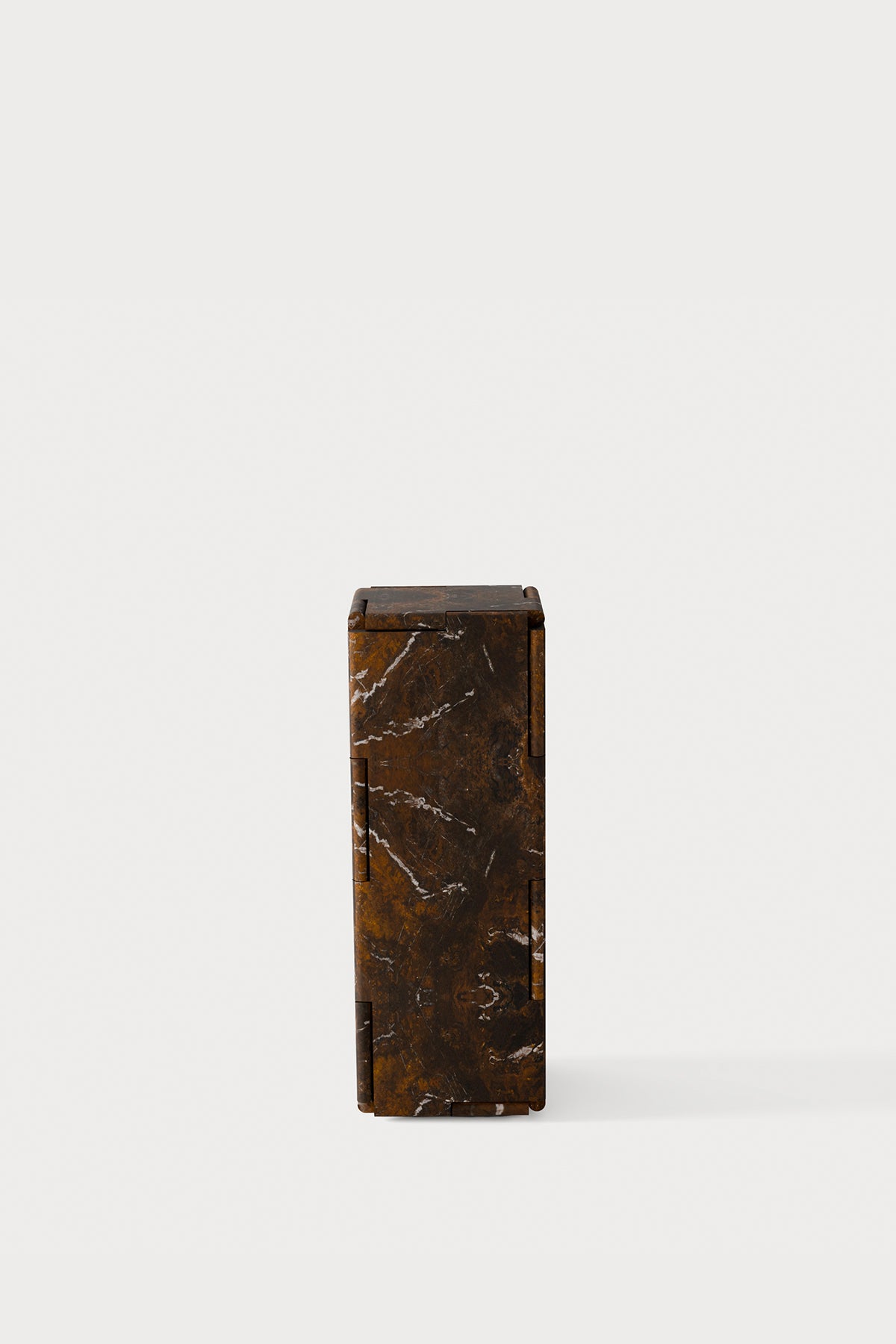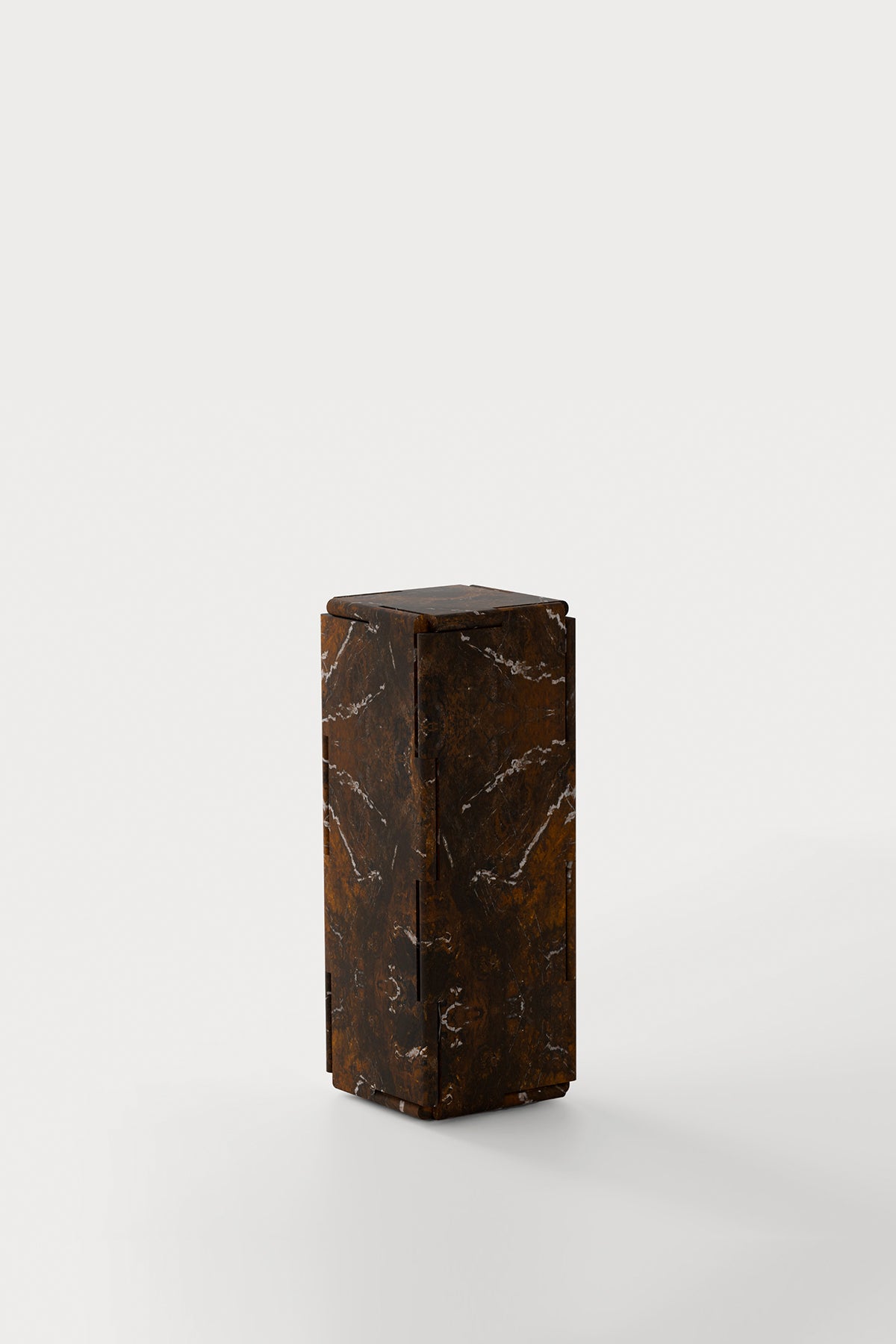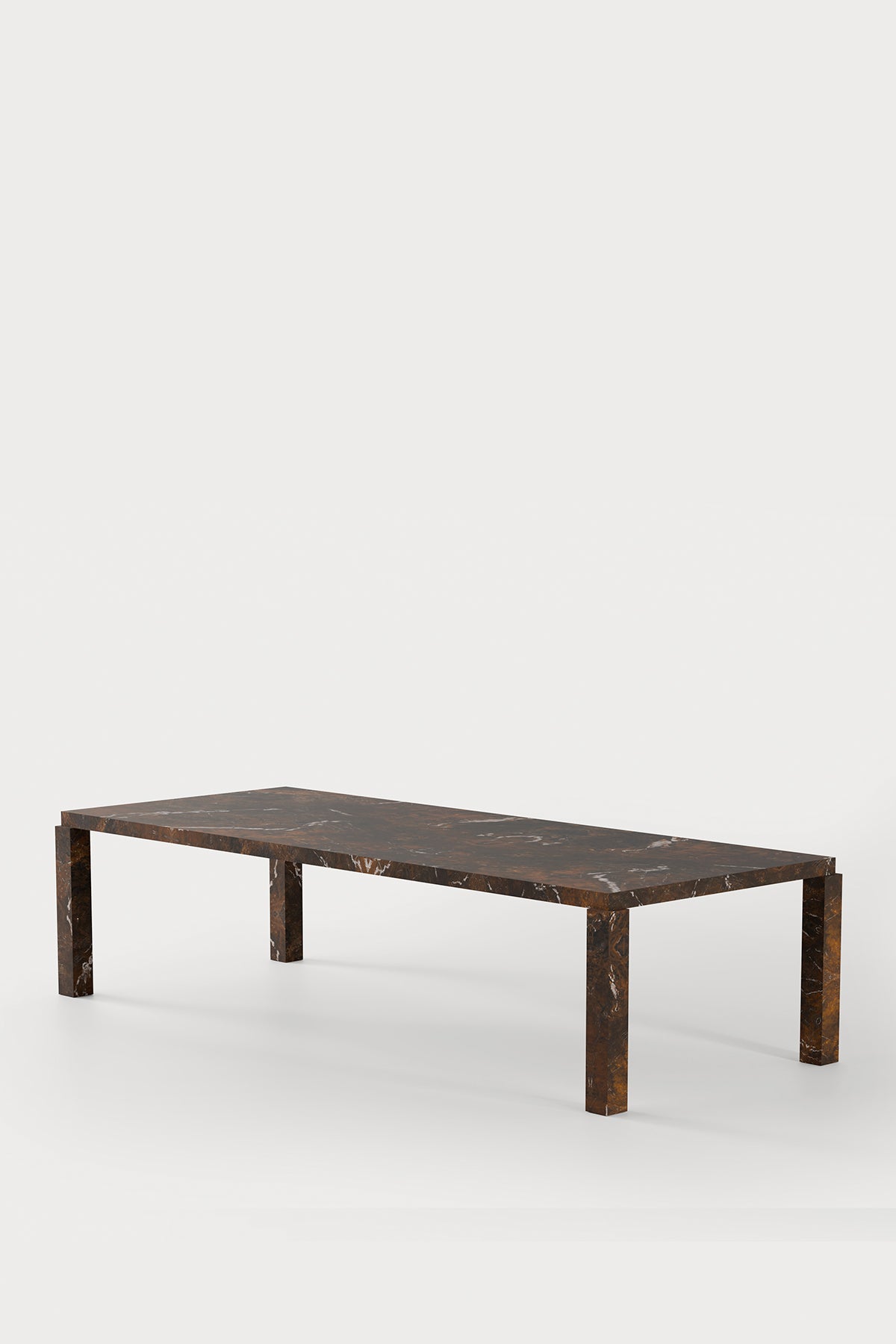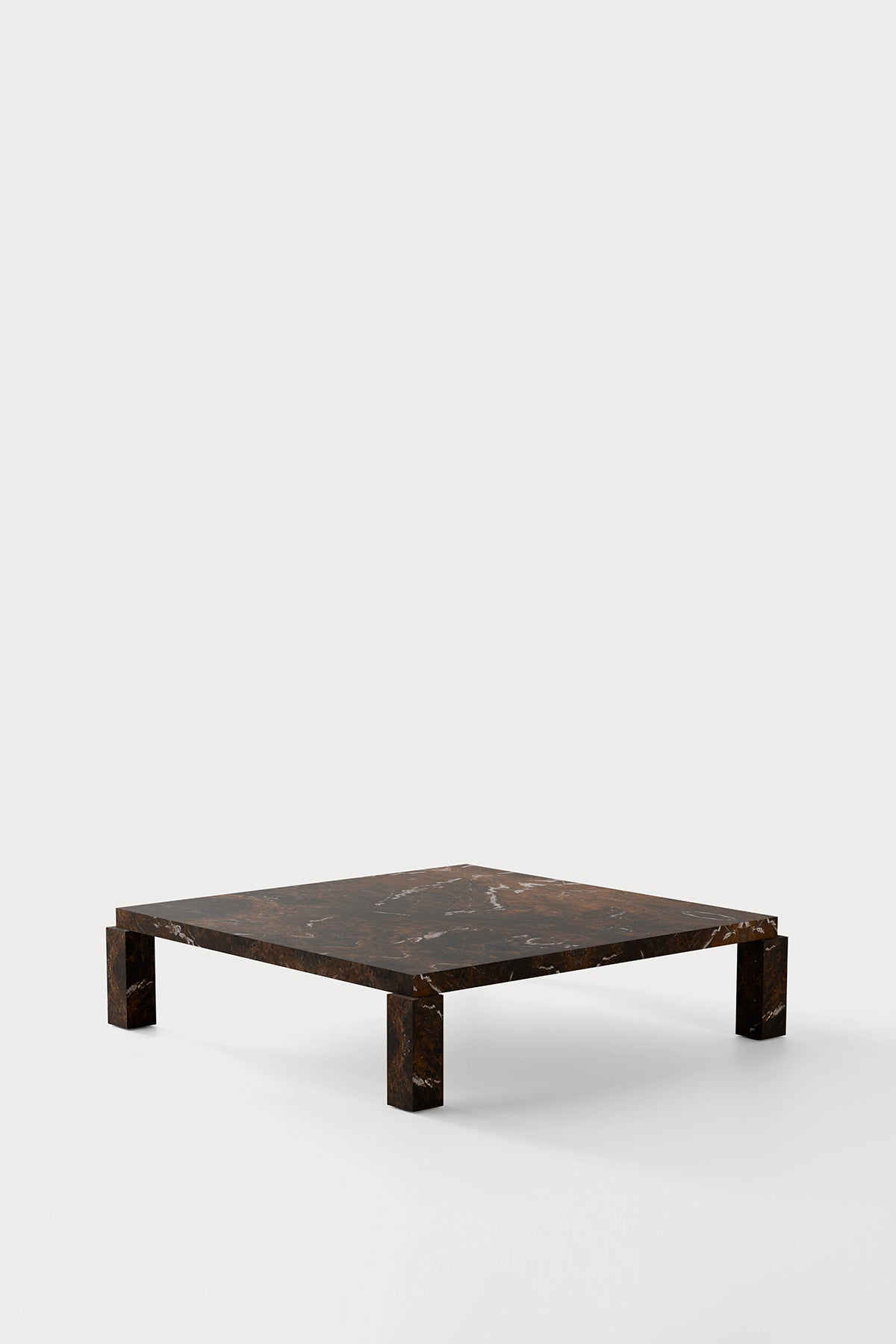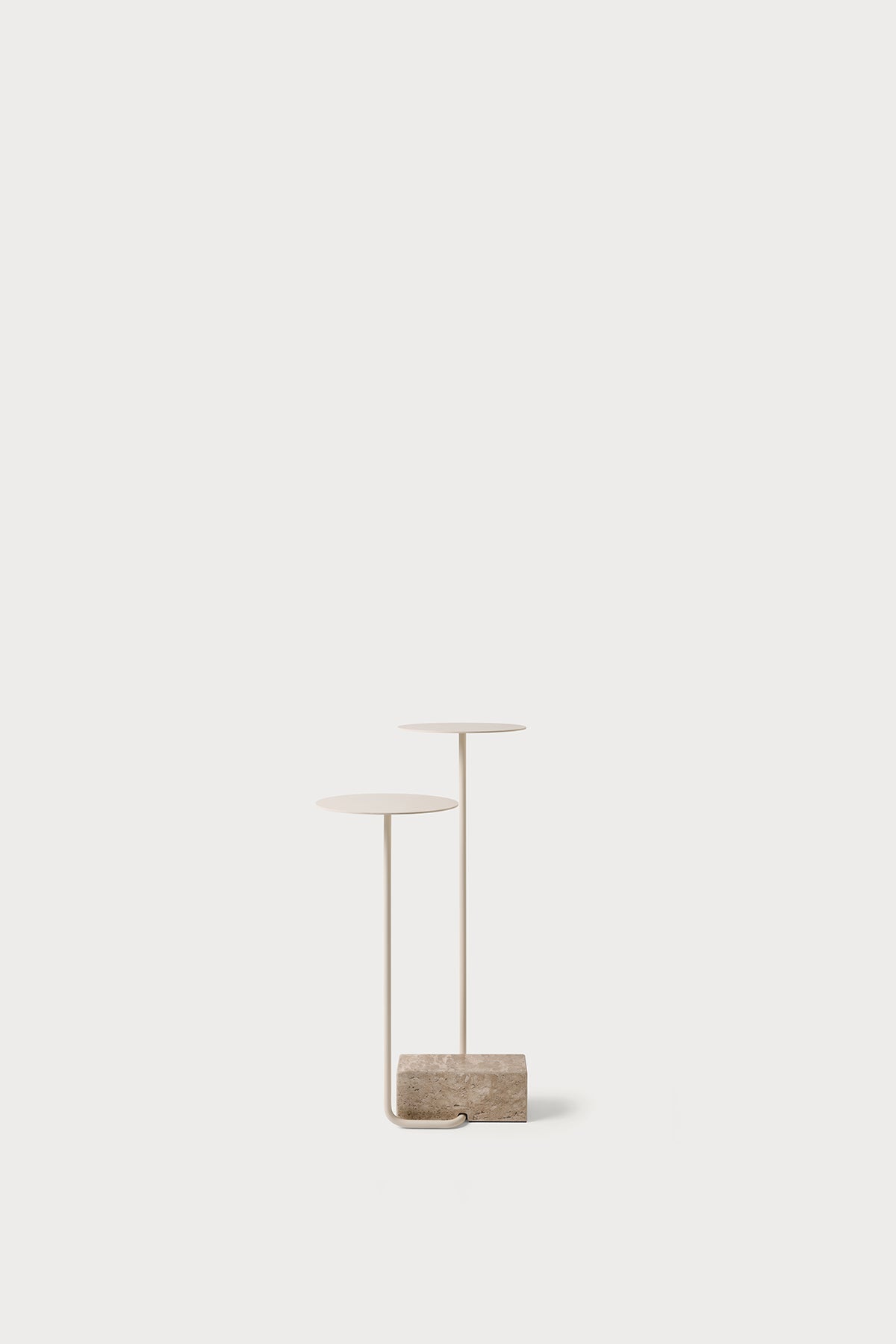


Marble, granite, and quartzite are natural materials formed over time, giving each piece its own distinctive characteristics. Variations in color, veining, patterns, grain, small fissures, and other particularities are inherent to the nature of stone, making every surface unique.
A polished finish provides a smoother, glossier surface, while a honed finish offers a smooth, matte appearance. Brushed and sandblasted finishes, on the other hand, emphasize the stone’s natural texture, resulting in rougher, more porous surfaces that are inherently more susceptible to residue buildup and staining.
IMPORTANT NOTES
All natural stones used by WENTZ receive a protective impregnating sealer before leaving the factory. This treatment reduces and slows liquid absorption, making maintenance easier, but does not make the stone completely waterproof or eliminate the possibility of staining.
CARE
Avoid allowing liquids or food to remain on the surface, particularly coffee, wine, alcoholic beverages, oils, grease, sauces, citrus fruits, and other acidic or highly pigmented substances. In case of spills, immediately remove the excess without spreading the liquid, then clean the affected area.
Special attention should be given to stones with brushed or sandblasted finishes. Due to their more open and textured surfaces, liquids and residues may penetrate or accumulate more easily, even when the stone has been sealed. With these finishes, promptly removing any spilled substance is especially important.
Use coasters or protective pads beneath glasses, bottles, vases, and objects that may release moisture, liquids, or pigments. Avoid leaving wet or damp containers on the surface for extended periods.
Never place hot pots, kettles, serving dishes, or other hot objects directly on the stone. Although some stones offer high heat resistance, sudden temperature changes may create internal stresses in the material, while heat may also compromise the protective sealer applied to the surface. Always use appropriate trivets or heat-resistant protective pads.
Avoid sitting, standing, or placing excessive weight on stone tabletops, side tables, consoles, or other stone surfaces. Do not use the furniture as a step or support to reach objects in elevated areas. Concentrated loads, impacts, or stresses beyond those for which the product was designed may cause cracks or breakage.
Avoid impacts, particularly along edges, corners, and areas near cutouts or openings. Do not drag heavy, rough, or sharp objects directly across the surface.
Acidic, alkaline, or chemical products may react with the minerals present in natural stone, causing stains, loss of shine, or permanent changes in texture. Do not use products unless they are specifically recommended for natural stone.
MAINTENANCE
The protective sealer applied by WENTZ reduces the stone’s absorption, but its effectiveness gradually decreases over time with use and repeated cleaning. As a general guideline, reapplication is recommended every 6 months, although shorter intervals may be necessary for surfaces subject to intensive use, greater moisture exposure, or frequent cleaning.
Reapplication should be carried out using a sealer suitable for natural stone and compatible with the specific finish of the piece, strictly following the manufacturer’s instructions. Before application, the surface must be clean and completely dry. If in doubt, consult WENTZ customer support.
Stones with brushed and sandblasted finishes require additional attention. Their more open textures encourage residue buildup and increase susceptibility to staining. Sealing reduces absorption but does not eliminate this inherent characteristic of the finish.
A simple way to monitor the effectiveness of the treatment is to observe how small drops of water behave on the surface. If the stone begins to absorb water quickly or the wet area darkens easily, this may indicate that the protective sealer needs to be reapplied. If in doubt, consult WENTZ before proceeding.
For products intended for outdoor use, when they will remain unused for extended periods, it is recommended to protect them from continuous exposure to rain, leaves, organic debris, and other sources of dirt. Always ensure adequate ventilation and avoid trapping moisture between the protective cover and the surface.
CRACKS, CHIPS, AND BREAKAGE
Due to its mineral composition, natural stone offers considerable strength but also has inherent characteristics of rigidity and brittleness. Impacts, falls, excessive loads, improper transportation, or concentrated stresses may cause chips, cracks, or breakage.
Small fissures, veins, and formations originally present in the stone may be part of its natural composition and do not necessarily indicate structural weakness. However, the appearance of a new crack, particularly one that can be felt by touch or is accompanied by movement between sections, should be evaluated.
If a crack, chip, or breakage is identified, discontinue use of the furniture and avoid moving it unnecessarily. Do not attempt to repair the stone yourself using adhesives, resins, or other products, as improper interventions may complicate or prevent subsequent professional restoration.
Contact WENTZ customer support and provide photographs of the product and the affected area. Depending on the type and extent of the damage, our team can advise on the possibility of restoring or replacing the stone component.
CLEANING
For everyday cleaning, remove dust and loose particles using a soft duster, soft-bristled brush, or a clean, soft, dry cloth. Frequent dust removal prevents accumulated particles from acting as abrasives during use or cleaning.
For more thorough cleaning, use a soft cloth dampened with water and a small amount of mild soap or detergent. Then, completely remove any remaining residue using another cloth dampened with water only, and dry the surface.
On brushed and sandblasted finishes, a soft-bristled brush may be used gently to remove residues accumulated within the surface irregularities. Avoid excessive rubbing or the use of stiff brushes.
Do not use steel wool, abrasive sponges, scouring creams, abrasive powders, bleach, solvents, or harsh cleaning products. Also avoid acidic or alkaline substances, such as vinegar and other household cleaners, as well as general-purpose cleaning products that are not specifically recommended for natural stone.
For persistent stains, do not attempt removal using chemical products or abrasive methods. Different types of stone and stains require specific treatments. Contact WENTZ customer support for guidance.